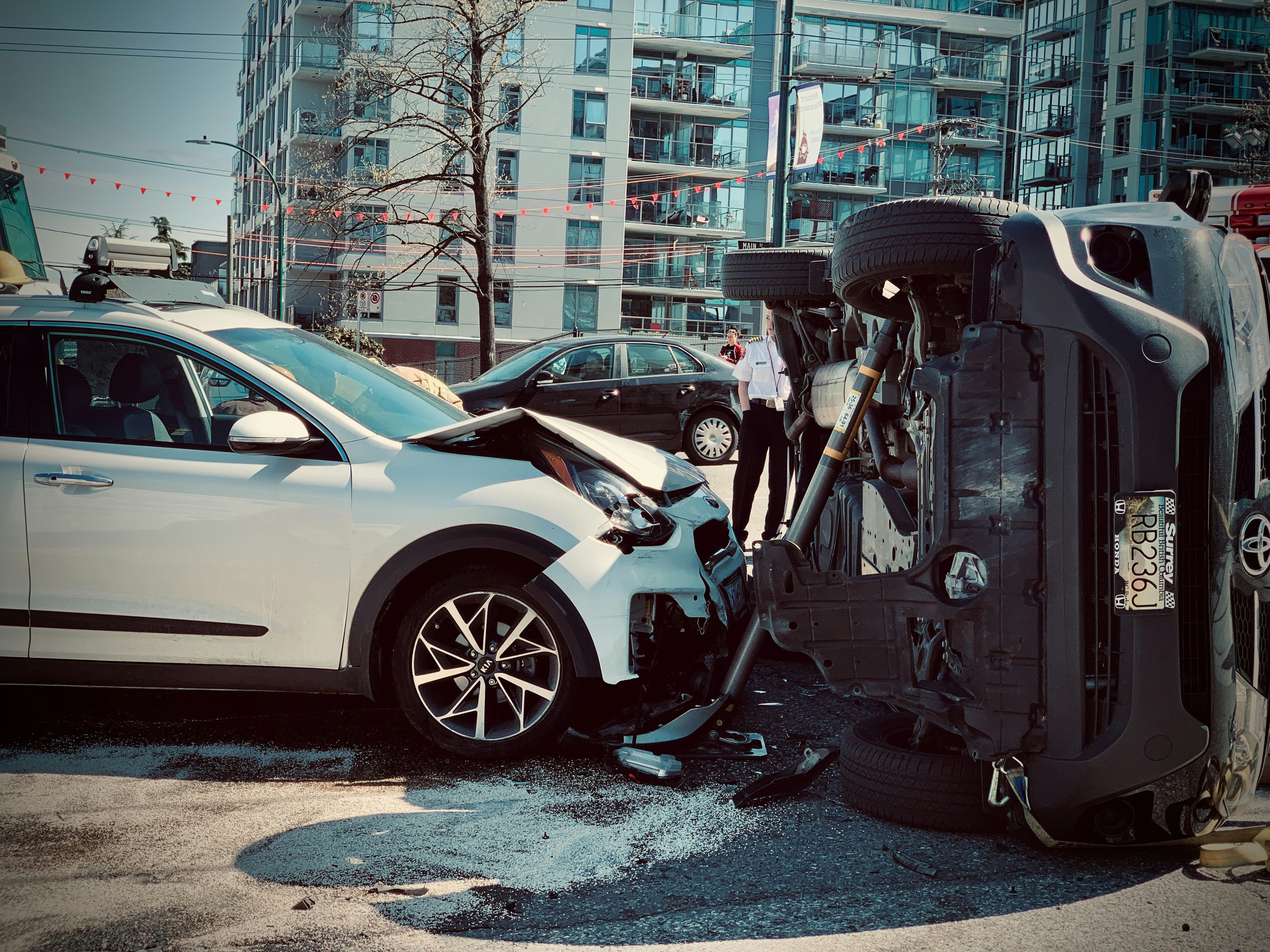
Being involved in a car accident is stressful under any circumstance. But when the at‑fault driver has no insurance, the situation becomes even more overwhelming. Many Californians are surprised to learn how common this is: according to the Insurance Research Council, California consistently ranks among the states with the highest percentage of uninsured drivers.
Fortunately, California law provides several pathways for injured drivers to recover compensation — even when the other driver cannot pay. This guide explains your options in clear, practical terms so you can protect your health, your finances, and your legal rights.
Understanding Uninsured Motorist (UM) and Underinsured Motorist (UIM) Coverage
California requires auto insurers to offer Uninsured/Underinsured Motorist (UM/UIM) coverage with every policy unless the driver rejects it in writing. Most drivers carry it without realizing how important it is.
You can read more about these requirements through the California Department of Insurance.
What UM/UIM Covers
- UMBI (Uninsured Motorist Bodily Injury): Covers medical bills, lost wages, and pain and suffering when the at‑fault driver has no insurance.
- UIM (Underinsured Motorist): Applies when the at‑fault driver has insurance, but not enough to cover your losses.
- UMPD (Uninsured Motorist Property Damage): Covers vehicle damage in certain situations.
Standard California UM/UIM Policy Limits
According to California insurance guidelines, typical minimum UM/UIM limits are:
- $30,000 per person
- $60,000 per accident
- $15,000 property damage
These limits can be higher depending on your policy.
Step‑by‑Step: What to Do After an Accident With an Uninsured Driver
Taking the right steps early can significantly strengthen your claim.
1. Call 911 and Report the Accident
A police report is essential, especially in uninsured motorist cases. It documents fault, injuries, and the other driver’s lack of insurance.
You can later request the report through the California Highway Patrol or the DMV Accident Reporting System.
2. Gather Evidence at the Scene
If you can do so safely, collect:
- Photos of both vehicles
- Driver’s license information
- Witness statements
- Road conditions and traffic signals
3. Notify Your Insurance Company Immediately
UM/UIM claims have strict deadlines. Some policies require notice within 24–48 hours.
4. Seek Medical Attention
Even minor injuries can worsen over time. Medical records become key evidence in your claim.
5. Request the Police Report
This helps establish fault and confirm the other driver’s uninsured status.
6. Speak With a Personal Injury Attorney
An attorney can help you:
- Navigate UM/UIM claims
- Avoid insurance company delays
- Maximize your compensation
- Determine whether additional parties may be liable
You can learn more about your rights by visiting Infinity Law Group’s California Personal Injury page.
How UM/UIM Claims Work in California
UM/UIM claims operate differently from standard liability claims. Instead of pursuing the at‑fault driver, you file a claim against your own insurance policy.
When UM Applies
- The at‑fault driver has no insurance
- The driver flees the scene (hit‑and‑run)
- The driver’s insurance company becomes insolvent
When UIM Applies
- The at‑fault driver has insurance
- Their policy limits are lower than your damages
- Your UIM coverage fills the gap up to your policy limit
Can You Sue the Uninsured Driver Directly?
Yes — but it is rarely effective.
Most uninsured drivers lack:
- Assets
- Income
- Property
- Insurance coverage
Even if you win a lawsuit, collecting the judgment may be impossible. This is why UM/UIM coverage is so important.
Other Potential Sources of Compensation
Depending on the circumstances, additional parties may share liability:
Potentially Liable Parties
- Employers (if the driver was working at the time)
- Vehicle owners (if different from the driver)
- Government entities (dangerous road conditions)
- Manufacturers (defective vehicle parts)
An attorney can help identify all possible avenues for recovery.
How Infinity Law Group Helps After an Uninsured Driver Accident
Our firm assists clients by:
- Investigating the accident
- Reviewing insurance policies
- Filing UM/UIM claims
- Negotiating with insurers
- Pursuing additional liable parties
- Preparing cases for litigation when necessary
Learn more about how we help injured Californians by visiting our Car Accident Practice Page.
Frequently Asked Questions
Do I need UM/UIM coverage in California?
While not legally required, it is one of the most important protections you can have. It covers you when the at‑fault driver cannot.
Will my insurance rates go up if I file a UM claim?
Typically, no. You were not at fault, and California law restricts insurers from raising rates for not‑at‑fault accidents.
What if the uninsured driver was driving a borrowed car?
The vehicle owner may still be liable, depending on the circumstances.
Can I file a UM claim for a hit‑and‑run?
Yes — as long as there is physical contact and you report the accident promptly.
Conclusion
Being hit by an uninsured driver can feel overwhelming, but California law provides strong protections for injured motorists. Understanding your UM/UIM coverage and taking the right steps early can make a significant difference in your recovery.
If you were injured in an accident with an uninsured or underinsured driver, Infinity Law Group is here to help you navigate the process with clarity and confidence. Contact us anytime through our online form.
.png)

%20(600%20x%20800%20px).png)